“Eco-Friendly Kakheti 2026” Concludes with a Large-Scale Eco-Festival in the Lagodekhi Nature Reserve
When we talk about environmental protection, we often assume that meaningful change can only be achieved through top-down government policies or large-scale infrastructure projects. Yet sometimes the most significant impact occurs when people themselves, especially young people become the driving force behind change.
This is precisely the story of “Eco-Friendly Kakheti 2026”, a campaign implemented in eastern Georgia and the country’s first large-scale regional initiative that successfully combined environmental education, community engagement, and electronic waste management into a single effective model.
The project was planned and implemented by the Wasteless Association within an exceptionally short period of just two months. Today, the organization unites 17,375 businesses and is one of the largest non-profit organizations working in the field of specific waste management in Georgia. Since 2022, Wasteless has been authorized to manage four waste streams: waste oils, used tires, waste electrical and electronic equipment, and batteries and accumulators.
“Eco-Friendly Kakheti 2026” was much more than an environmental campaign. Its objective was to create a systemic approach capable of changing behavior, raising awareness, and transforming the principles of the circular economy into practical habits and everyday actions.
The project consisted of three main stages and covered all eight municipalities of the Kakheti region.
During the first phase, 35 schools across the region were selected. With the support of local municipalities and educational resource centers, awareness-raising and educational sessions were organized for students. The first signs of the campaign’s success could already be seen in the enthusiasm and engagement of the young participants.
Approximately 1,000 students took part in these sessions. They learned about the impact of electronic waste on the environment and human health, became familiar with proper waste management practices, and ultimately became environmental ambassadors for the campaign.
The experience of Wasteless once again confirmed that young people are among the most effective agents of environmental change. They absorb new knowledge quickly, share it with their families, neighbors, and communities, and often become initiators and advocates of change themselves.
47,205 Kilograms of Electronic Waste Collected in Just Two Weeks
The most impressive part of the campaign turned out to be the inter-school competition.
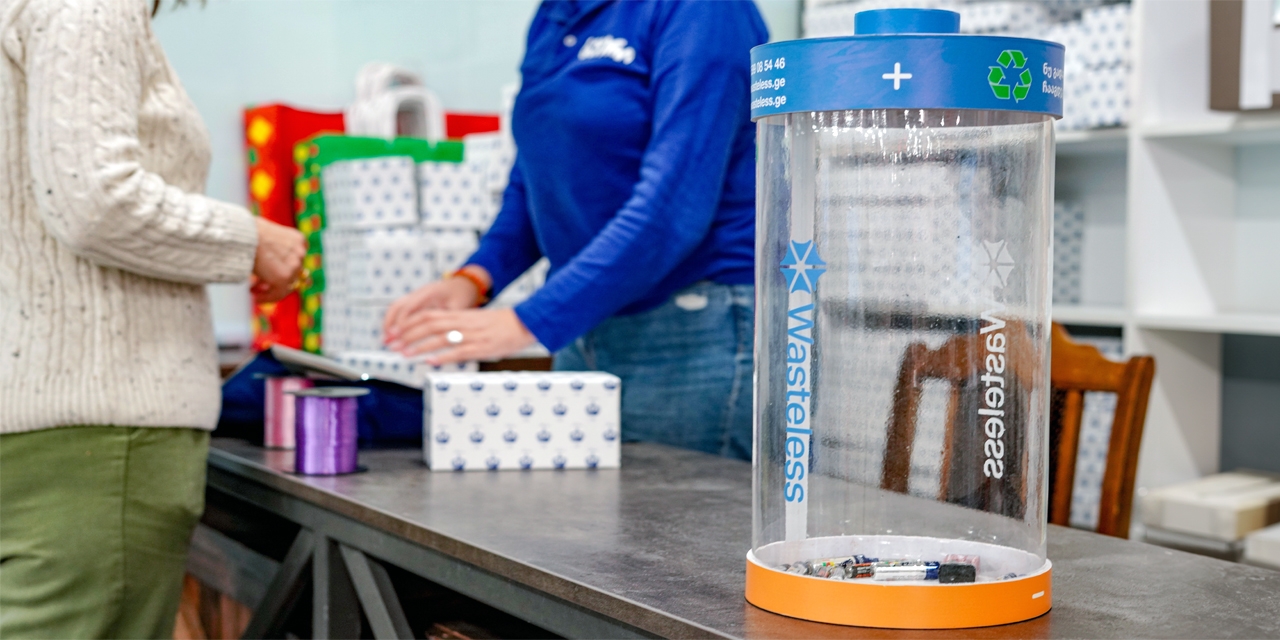
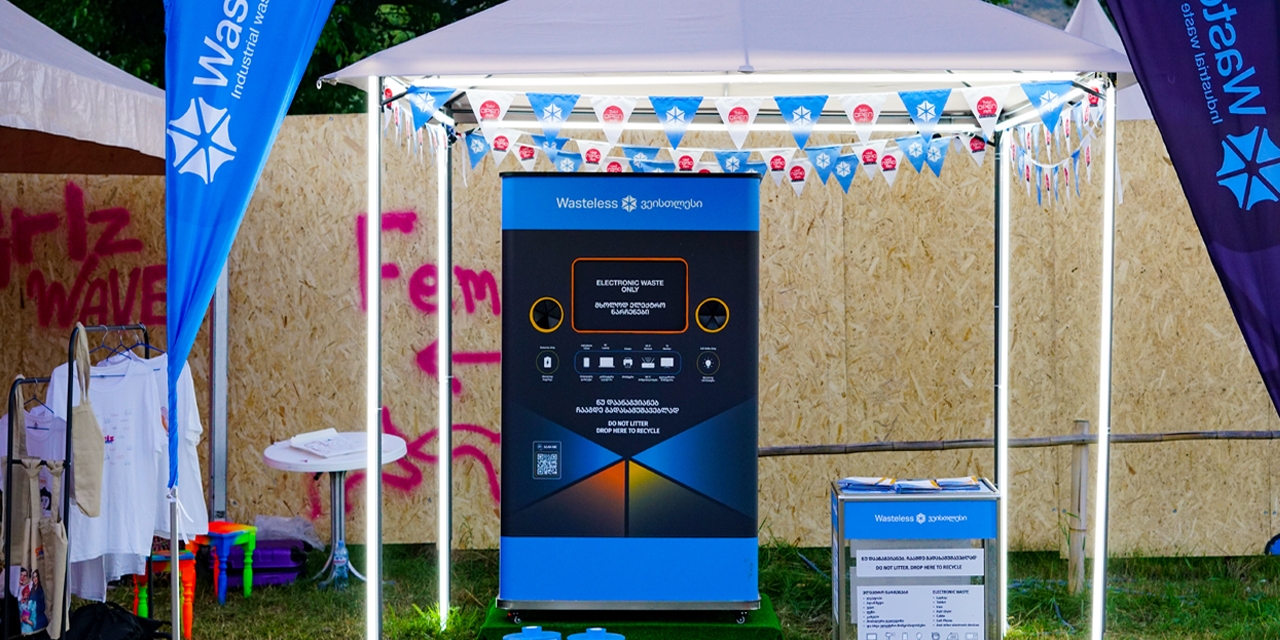
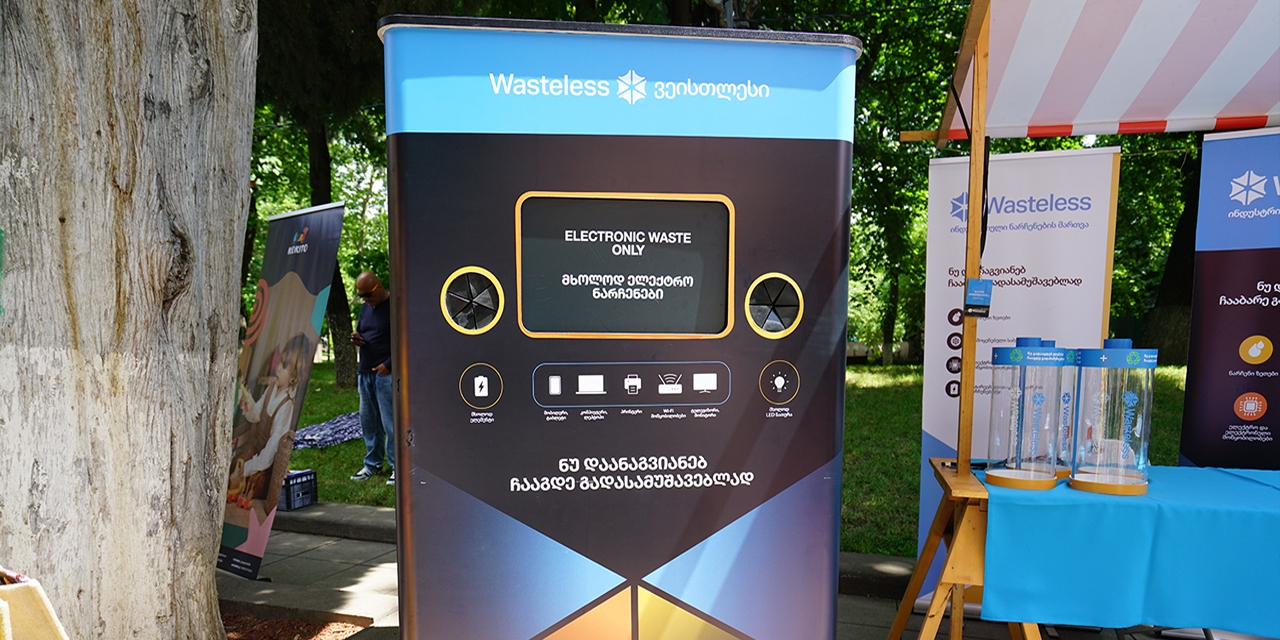
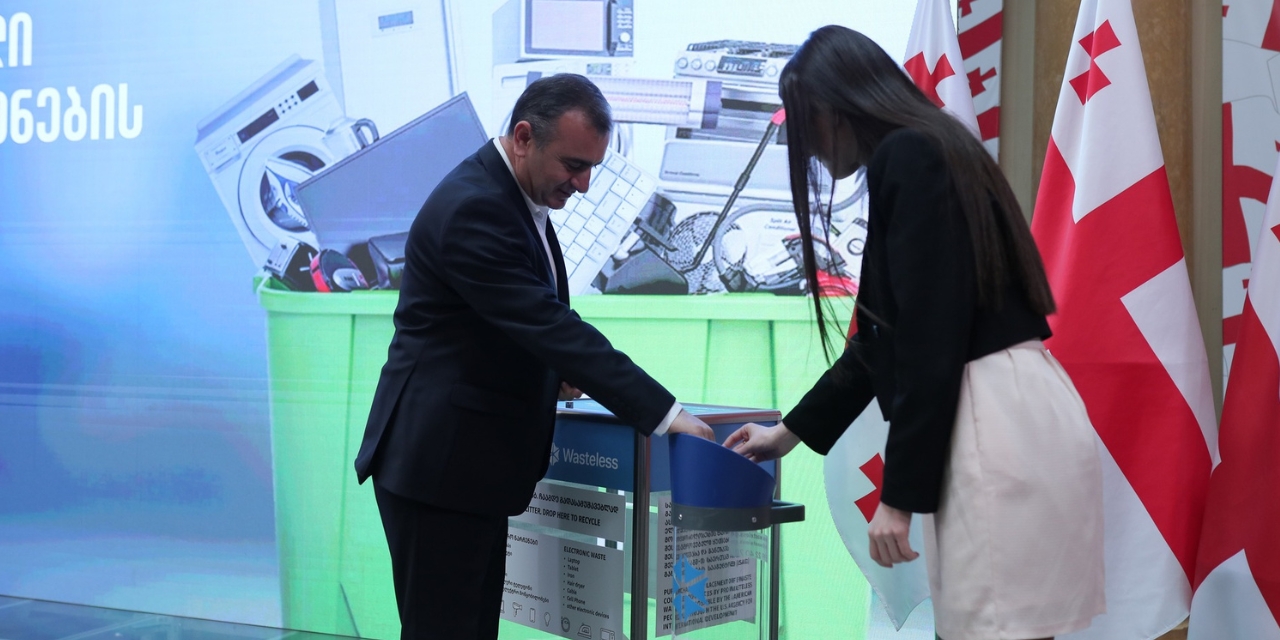
Between May 7 and May 21, special Wasteless collection containers for electronic waste were installed in all 35 participating schools across Kakheti. Over a two-week period, students actively collected obsolete electronics, electrical devices, and various forms of electronic waste.
In total, 47,205 kilograms of electronic waste were collected across the region, nearly 48 tons of hazardous waste that will no longer end up in nature, landfills, or uncontrolled disposal sites.
This figure represents much more than a statistic. In addition to providing valuable raw materials for the circular economy and future manufacturing processes, it means less polluted soil, a cleaner environment, and the active participation of thousands of families in responsible waste management practices.
The project extended far beyond waste collection
Alongside the collection campaign, a TikTok competition was launched, encouraging young people to create content about environmental protection. Participants produced around 60 creative videos addressing proper electronic waste management, the importance of recycling, and environmental responsibility through engaging and innovative storytelling.
As a result, the campaign successfully transformed social media into an educational platform, delivering environmental messages to thousands of people.
Winners and a Major Eco-Festival
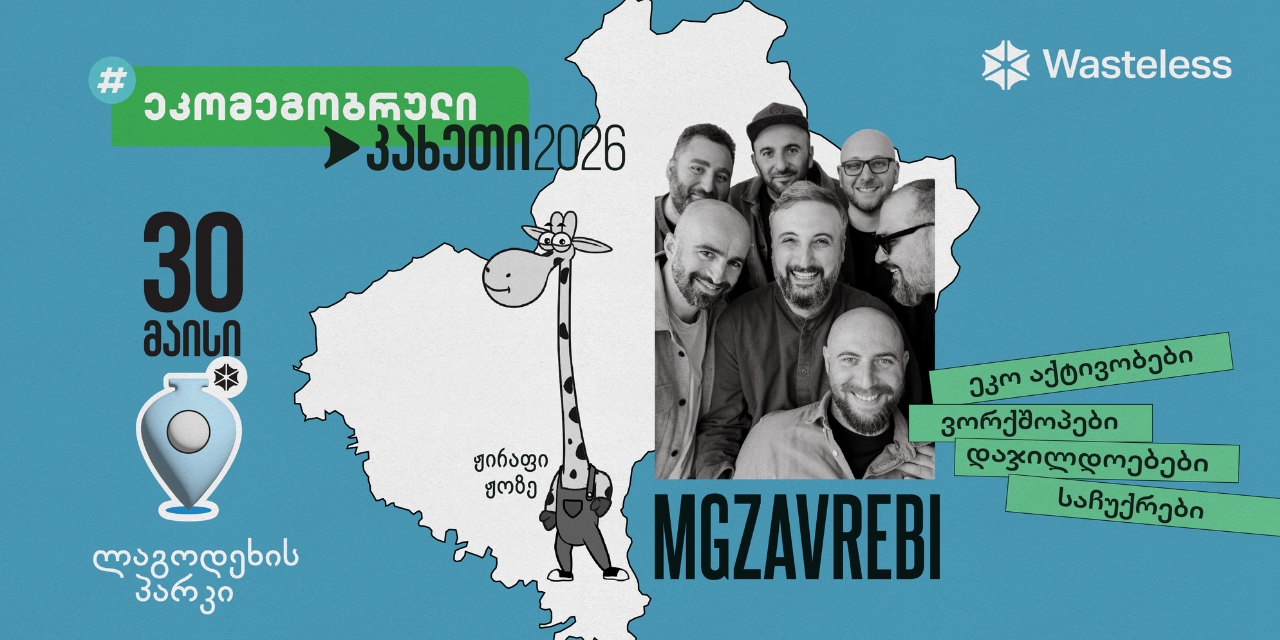
The campaign concluded with a large-scale eco-festival held in Lagodekhi Park, at the foot of the Caucasus Mountains, attracting nearly 5,000 visitors.
The event celebrated both the winners of the electronic waste collection competition and the TikTok contest.
The first prize in the waste collection competition was awarded to Lagodekhi Public School No. 1, which received a prize of GEL 7,000. Afeni Public School No. 1 took second place, while Vardisubani Public School secured third place. Additional awards were presented to schools that achieved the best results within their respective municipalities.
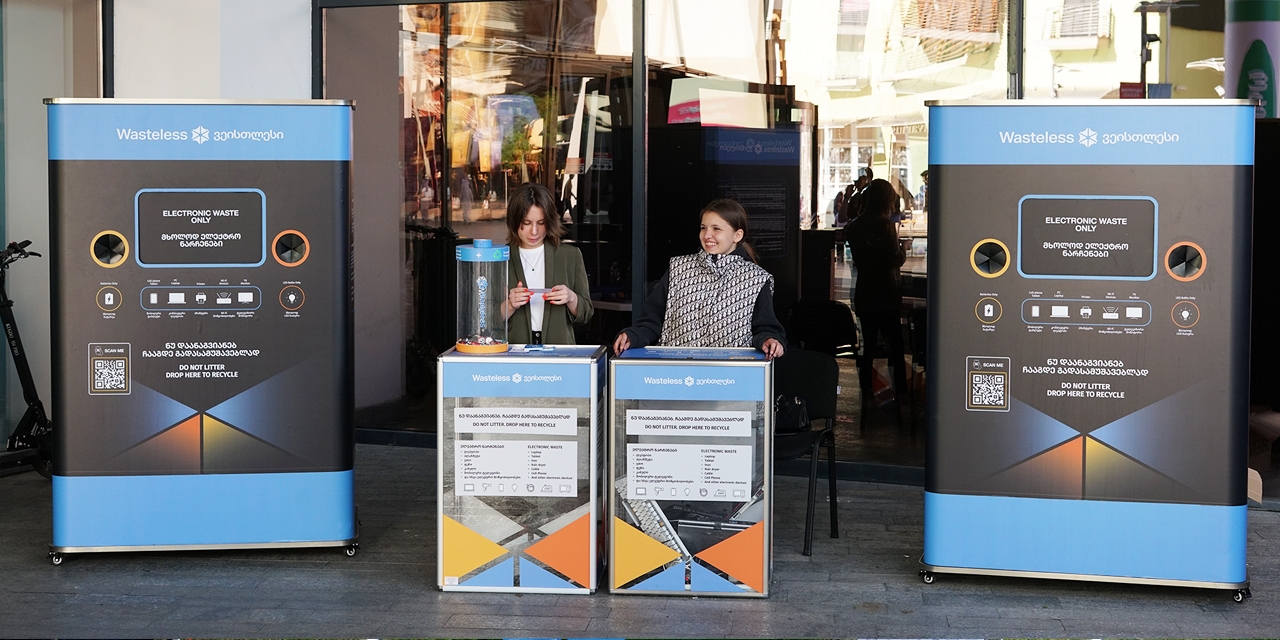
The festival was far more than an award ceremony. It featured eco-entrepreneur exhibitions, educational and entertainment activities, technology zones, raffles, and dedicated children's programs. Throughout the day, concerts and cultural performances transformed environmental awareness into a community celebration.
Why Is This Project Important for Georgia?
The true value of “Eco-Friendly Kakheti 2026” lies not only in its measurable achievements but also in its demonstration of how modern European approaches to waste management can be successfully adapted to local realities.
At the heart of the circular economy is the principle of maximizing resource use and transforming waste into economic value. Achieving this requires not only collection and recycling infrastructure but also an informed and engaged society.
The experience of Kakheti demonstrated that when education, local governments, businesses, and communities work toward a common goal, meaningful results can be achieved quickly, enthusiastically, and visibly.
A Success Story That Will Continue
According to Wasteless, the campaign launched in Kakheti will be expanded to other regions of Georgia. “The results of the campaign exceeded all our expectations. Our goal was to demonstrate the importance of environmental responsibility to young people, but in the end, they showed us the true power of knowledge, responsibility, and collective action. Within just a few weeks, Kakheti was cleared of nearly 48 tons of harmful electronic waste, thanks to our environmental superheroes, the children themselves. They proved that meaningful change begins with community engagement. For us, ‘Eco-Friendly Kakheti 2026’ is not just a successful campaign, it is a model that we are determined to expand throughout Georgia and share internationally as a best practice,” said Giorgi Guliashvili, Chairman of the Wasteless Association.
As the Kakheti model expands nationwide, Georgia will take another important step toward developing a circular economy, strengthening environmental culture, and establishing a modern waste management system. In a country where waste separation systems are still in their early stages, this initiative represents the foundation of a new environmental culture.
“Eco-Friendly Kakheti 2026” demonstrates that environmental transformation does not begin solely with legislation. It begins in schools, through education, and through young people who managed to free an entire region from nearly 48 tons of harmful electronic waste in just a few weeks.
Perhaps the campaign’s success is best illustrated by one remarkable story.
Among the visitors attending the Lagodekhi eco-festival were students from schools in the Pankisi Valley. They were not among the 35 participating schools and were not eligible to compete in the electronic waste collection contest. However, after learning about the campaign, they independently began collecting electronic waste in their communities.
On the day of the festival, these young people traveled to Lagodekhi specifically to deliver the electronic waste they had collected to Wasteless. They were not competing for prizes or recognition. Their only motivation was to contribute to environmental protection and support a cause they believed in.
Moments like these reveal the true power of environmental campaigns. When an initiative extends beyond its official framework, reaches people directly, inspires a sense of responsibility, and motivates action, it creates lasting impact.
The story of these young people from Pankisi may not appear in the campaign’s statistics, yet it may well represent one of the most meaningful and inspiring achievements of “Eco-Friendly Kakheti 2026.”
It is people like these and stories like theirs that form the foundation upon which a circular economy and an environmentally responsible society can be built.









.png)