
The Second Life of Batteries: How Does the Collection and Recycling System Work?
It is difficult to imagine everyday life without batteries. Remote controls, wall clocks, toys, computer mice, and countless other devices rely on them to function. The most commonly used types include alkaline, lithium, nickel-metal hydride, and other batteries, which provide the energy needed to power a wide range of devices and keep modern technologies running smoothly.
Once a battery reaches the end of its useful life, many people assume that its only destination is the trash. In reality, this is one of the most common misconceptions about used batteries. Even after use, batteries still contain materials that can be safely managed and recycled. That means a seemingly small piece of waste can either become a valuable resource or pose a serious environmental threat depending on where it ends up after use.
Why Is Proper Battery Management Important?
As technology continues to evolve, battery consumption is increasing every year, and so is the amount of battery waste. This makes one question increasingly important: how can we turn used batteries from an environmental problem into a valuable resource?
Despite their small size, batteries contain materials and chemical elements such as zinc, lithium, nickel, and steel. Extracting these materials requires natural resources and energy. Recycling used batteries therefore helps reduce the need for extracting new raw materials and contributes to conserving valuable resources.
Today, proper battery management is about more than simply dealing with waste. It is an important part of conserving natural resources, protecting the environment, and developing a circular economy, one in which every properly collected battery can contribute to creating new resources.
Used Batteries and the Circular Economy
A battery’s life cycle does not end when it stops working in a device. When properly collected and managed, it can once again become a source of valuable materials, reduce the consumption of new natural resources, and contribute to a more sustainable economy.
For household batteries such as alkaline and lithium batteries, a “second life” generally means recovering and recycling the materials they contain. Once a used battery enters a dedicated collection system, it is no longer simply waste, it becomes a resource. During the recycling process, specialists recover valuable materials from the batteries, allowing these resources to re-enter the economic cycle while reducing the need to extract new raw materials.
A different approach is used for lithium-ion batteries, which are found in laptops, power tools, and many other modern devices. If a battery still meets safety requirements and retains sufficient capacity, specialists assess its condition and, in some cases, it can be repurposed for another use. Once it can no longer be safely reused, it moves to the recycling stage, where valuable materials are recovered and can be used in new batteries and other technological products.
International Experience in Battery Management
In many countries around the world, proper management of used batteries is an important part of environmental policy. Rather than allowing batteries to end up in landfills alongside household waste, dedicated national systems have been established for their collection and recycling.
Belgium is considered one of the most successful examples in this area. More than 22,000 dedicated collection points operate across the country, meaning that most residents live less than 400 metres from their nearest collection point. Such accessible infrastructure makes returning used batteries an everyday habit and is one of the key foundations of an effective collection system.
In Germany, every store that sells batteries is required to accept used batteries for return. Consumers can deposit them in designated collection containers, from where they are sent for recycling.
Canada is also considered one of North America’s leading examples in battery collection and recycling. Through the nationwide Call2Recycle programme, more than 8,000 tonnes of used batteries were collected in 2025 alone — the highest annual volume in the programme’s history.
The experience of developed countries demonstrates that both appropriate infrastructure and public awareness and participation are essential for achieving effective results. When dedicated collection points are easily accessible, a significant share of used batteries can enter the recycling system instead of ending up in landfills.
Where Can We Recycle Used Batteries in Georgia?
Georgia’s system for the proper management of used batteries has been operating for several years. Wasteless is the country’s only authorized organization with the right to collect and manage used batteries.
Since 2022, the organization has been actively developing the battery collection system and, between 2022 and 2025, collected up to 40 tonnes of used batteries across Georgia. This represents an important step both in environmental protection and in establishing a modern battery management system in the country. At present, used batteries are not yet recycled locally in Georgia. For this reason, the batteries collected by Wasteless are exported to recycling facilities equipped with the appropriate technologies.
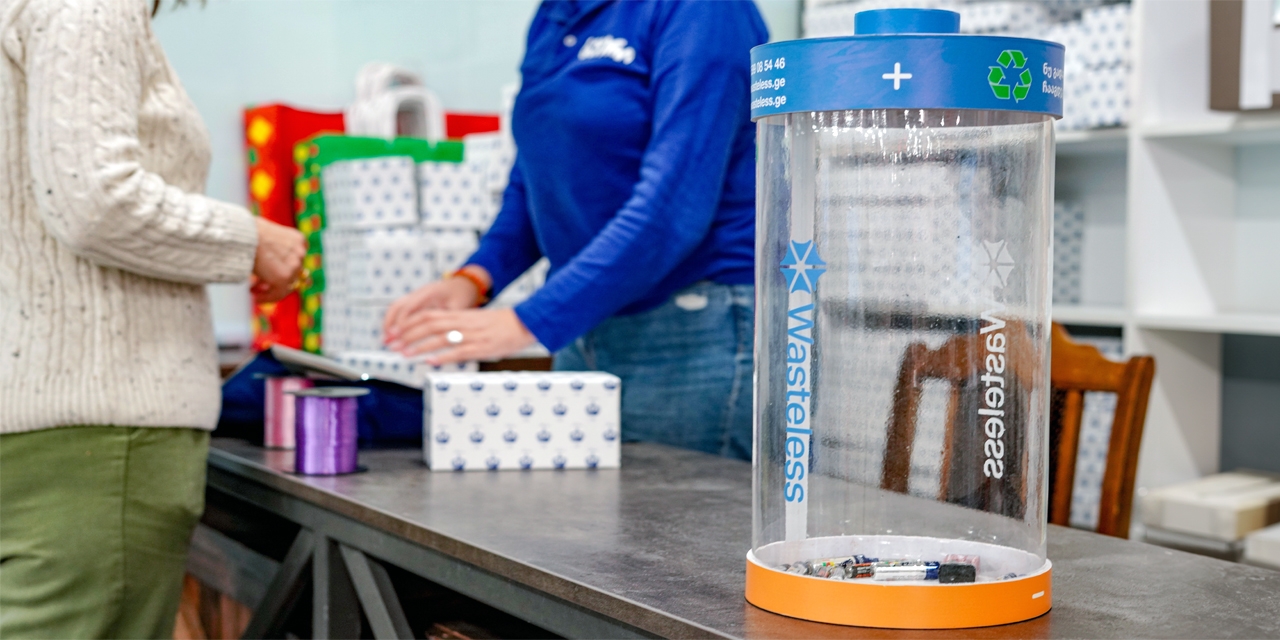
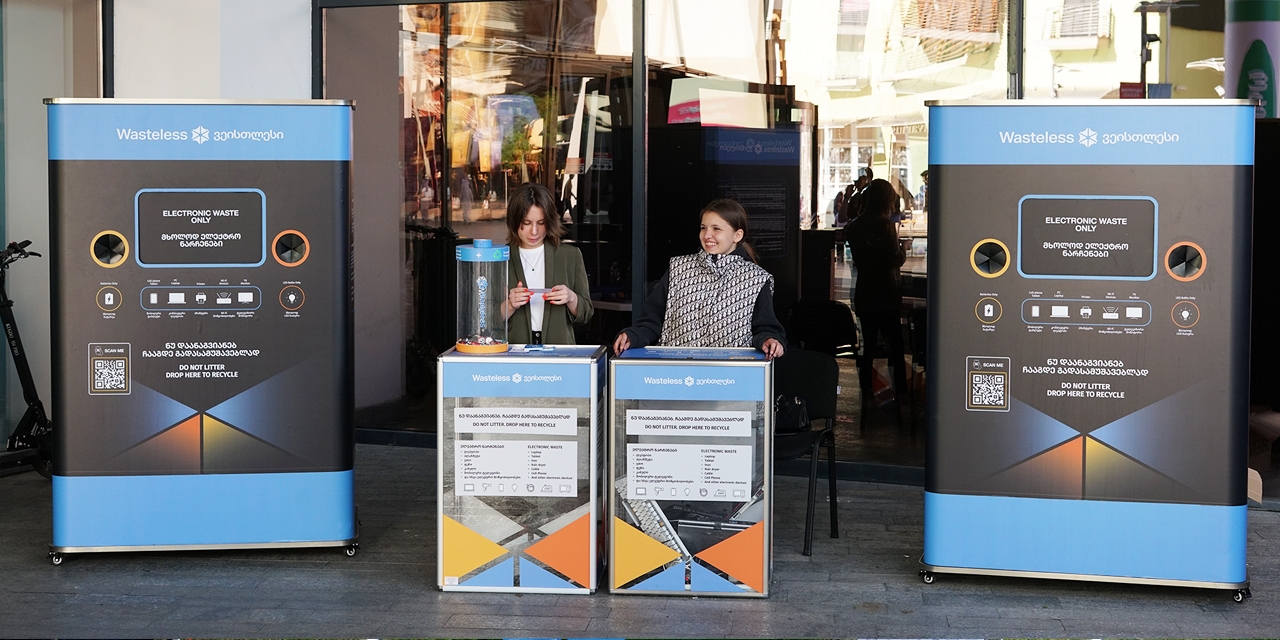
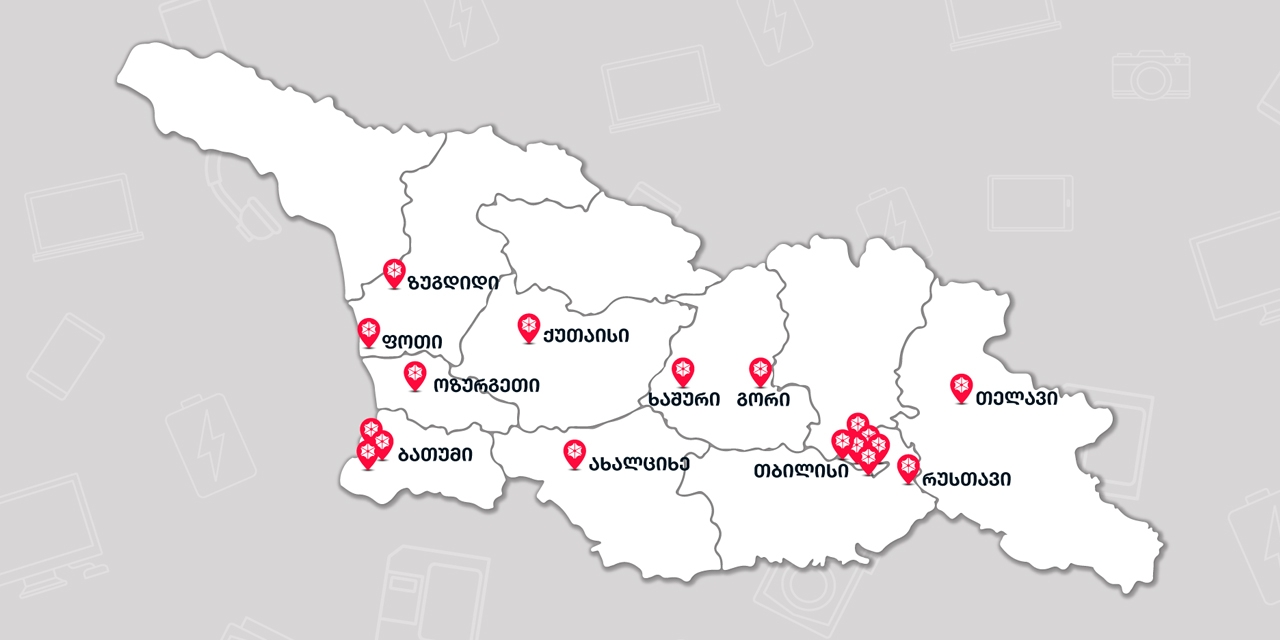
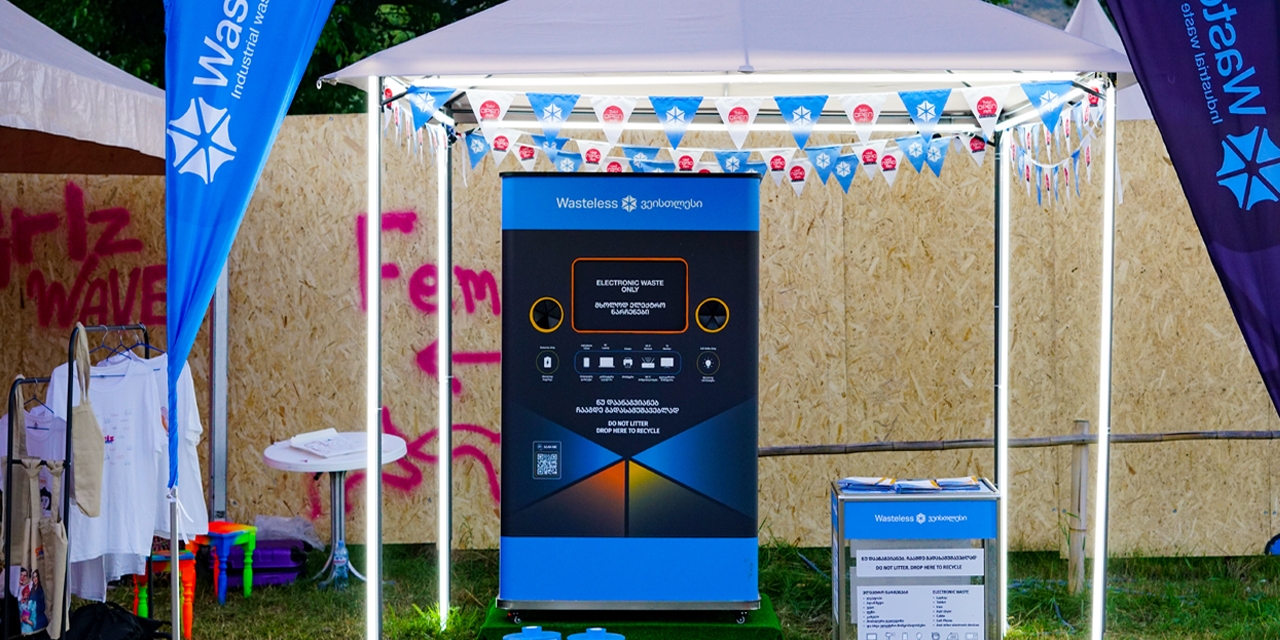
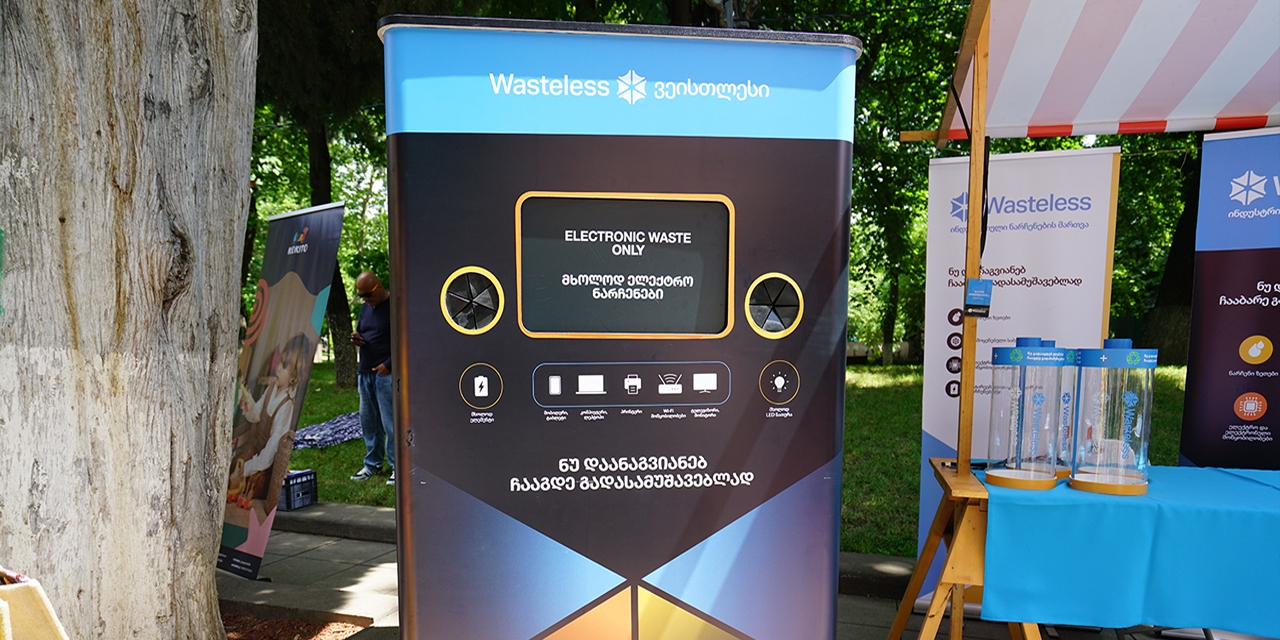
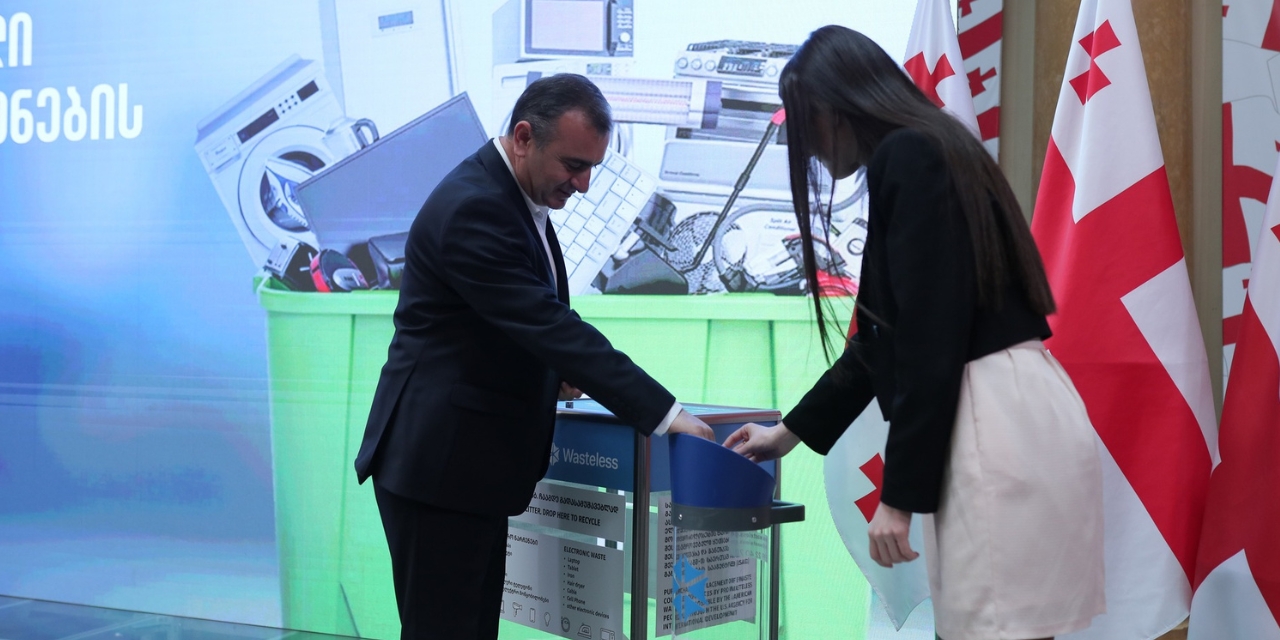
Today, used batteries can easily be returned through Wasteless’s dedicated collection containers, which are available in all major cities across Georgia and in almost every district of Tbilisi. Collection points are located in electronics and appliance retail chains, including Elite, Alta, and Gorgia, as well as in Carrefour, Super, and Nikora supermarkets, Evex clinics, various private companies and offices, public institutions, and schools.








.png)