
Climate Change: How Unprocessed Waste Contributes to Global Warming
What is climate change? Climate change refers to long-term shifts in Earth’s average temperature, precipitation patterns, wind, and overall weather conditions. While the climate has always evolved naturally over thousands of years, in the modern era these changes are occurring at an unprecedented pace. The primary concern is global warming, a process in which the planet’s average temperature rises due to the excessive accumulation of greenhouse gases.Climate change affects ecosystems, agriculture, water resources, and human health.
Causes of climate change
The main driver of climate change is human activity. Industrial development, urbanization, and mass production increase energy consumption and the exploitation of natural resources, which directly contributes to the rise of greenhouse gases in the atmosphere.
The use of fossil fuels such as oil, coal, and natural gas is one of the key factors. Their combustion releases large amounts of carbon dioxide, intensifying the greenhouse effect and leading to a rise in global temperatures.
Deforestation also plays a significant role. Forests naturally absorb carbon dioxide and help regulate the climate. When they are cut down, their ability to reduce greenhouse gases is lost, accelerating the warming process.
Industrial production and agriculture also contribute to climate change. Chemical processes in industry and livestock farming release methane and nitrous oxide, which are even more potent greenhouse gases than carbon dioxide.
Improper waste management is another critical issue. Organic waste in landfills releases methane as it decomposes, while non-organic waste such as used tires, batteries, electronic devices, and plastics can pollute the environment if not handled correctly. Burning these materials increases carbon dioxide and other harmful emissions, further intensifying global warming.
How can we reduce climate pressure?
Human activity disrupts natural cycles and increases greenhouse gas concentrations, leading to rising temperatures, extreme weather events, and ecosystem degradation. However, this does not mean that human activity itself is the problem or should be restricted entirely. Technological progress, economic growth, and improved living standards are natural and necessary aspects of modern society.
The real challenge lies in how we manage this development and how responsibly we use available resources.
Completely stopping climate change is difficult, but slowing it down is possible. The goal is not to halt development, but to make it more responsible.
Renewable energy, improved energy efficiency, sustainable transport, and forest restoration are all part of the solution. Equally important is effective waste management and the development of a recycling culture.
The impact of specific waste streams on climate change
Used tires are among the most difficult types of waste to process. Their natural decomposition can take hundreds of years, while illegal burning releases carbon dioxide and toxic gases. In addition, producing new tires requires significant energy and petroleum resources, increasing emissions.
Batteries and accumulators contain heavy metals such as lead, lithium, and cadmium. When disposed of in landfills, they contaminate soil and water, affecting ecosystems and climate balance. Their production is energy-intensive and associated with high carbon emissions.
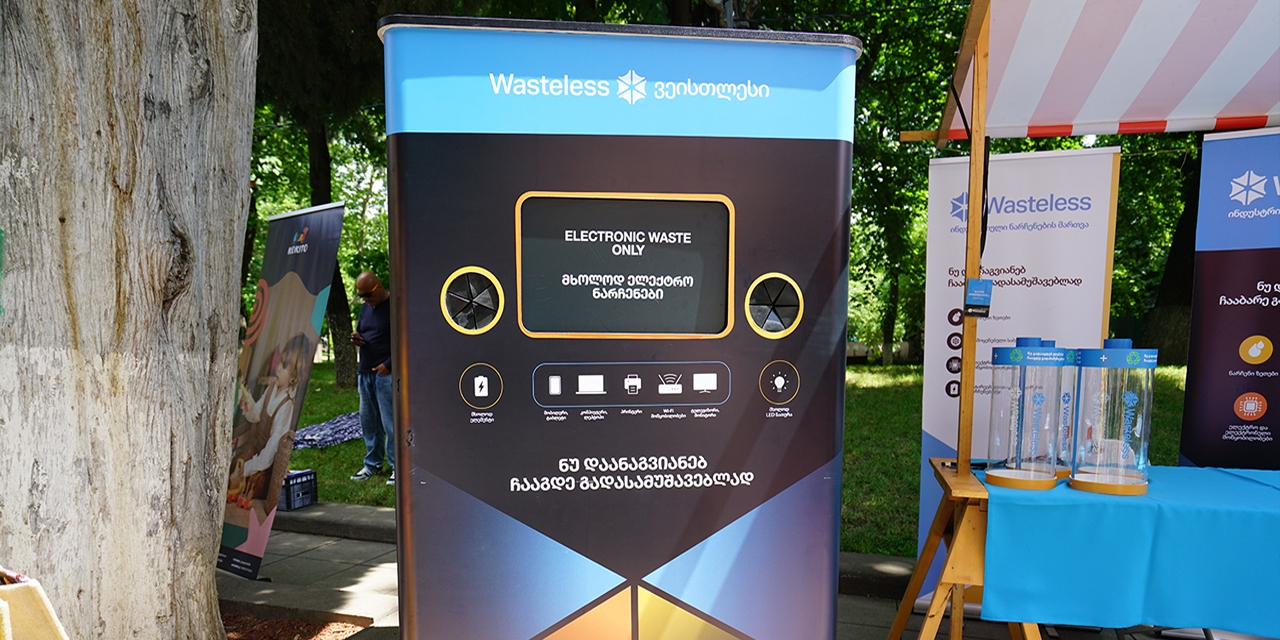
Electronic waste, including phones, computers, and televisions, contains hazardous materials and toxic substances. When these items end up in landfills, valuable materials are lost and demand for new resources increases, leading to higher greenhouse gas emissions.
Used industrial oils are among the most hazardous waste types. When they leak into soil or water, they severely damage ecosystems. Their production and improper disposal are also linked to high fossil fuel consumption and carbon emissions.
Recycling as a key tool for climate protection
Recycling is one of the most effective ways to reduce climate change. It decreases landfill waste, lowers methane emissions, and reduces the need for extracting raw materials.
For example, producing recycled aluminum requires about 95 percent less energy than producing new aluminum. This means lower emissions, reduced energy consumption, and less pressure on natural resources.
Tires, batteries, electronic waste, and industrial oils are often considered “invisible pollutants.” Their impact on the environment and climate is significantly greater than that of typical household waste. Managing these waste streams responsibly is therefore crucial for reducing emissions.
How developed countries address climate change
Approaches vary by country, but the overall trend is clear. Developed nations are transforming their energy systems, gradually reducing emissions, and improving waste management.
The European Union has set climate neutrality by 2050 as a key strategic goal under the European Green Deal. This includes minimizing greenhouse gas emissions and balancing the remaining emissions through natural carbon absorption. All sectors are involved, including energy, transport, industry, agriculture, and construction. Investments are being made in renewable energy, sustainable transport, and energy efficiency.
Countries such as Sweden recycle nearly all of their waste, sending minimal amounts to landfills and even generating energy from recycled materials. Germany has introduced a deposit system for plastic bottles and cans, encouraging recycling. The Netherlands is actively developing a circular economy and aims to eliminate landfills over time.
Japan is expanding renewable energy and working toward making it a primary energy source. It is already one of the global leaders in solar energy. The country plans to reduce greenhouse gas emissions by 46 percent by 2030 and reach net zero emissions by 2050.
The United States is investing heavily in renewable energy, electric vehicles, and energy-efficient technologies. Many states are strengthening environmental standards and working together to reduce emissions, although challenges in waste management and recycling infrastructure still remain.
The climate crisis is no longer a distant or abstract threat. It is already part of our daily reality. Record-high temperatures, rising sea levels, frequent wildfires, and extreme weather events show that climate change has shifted from a global issue to a local one. These changes directly affect health, economies, and social stability.
The decisions we make today will determine the quality of life for future generations. This is why climate policy and waste management should be viewed as interconnected processes that shape our shared future.
Real change begins when environmental protection is seen not as an additional obligation, but as part of development. It is essential to take steps that preserve natural resources and ensure climate stability for the future.










.png)